The Church of the Nativity of the Virgin Mary (Mali Budyshcha)
The Church of the Nativity of the Virgin Mary (Mali Budyshcha)
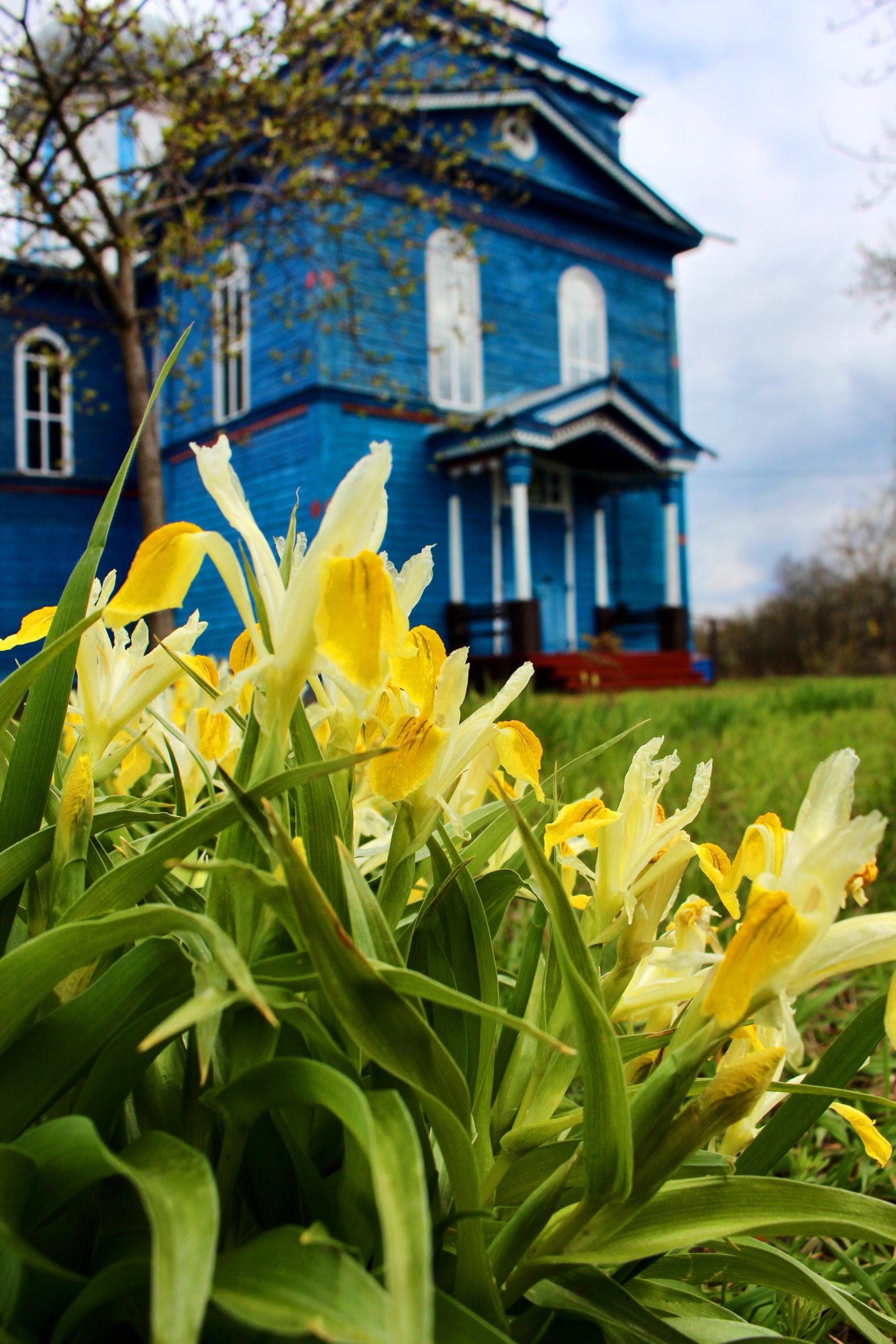
In the quiet village of Mali Budyshcha, nestled among green hills and the peaceful rhythm of rural life, stands the Church of the Nativity of the Virgin Mary—a sanctuary steeped in centuries of history.
Its origins date back to the late 17th century, when local Cossacks built the first wooden church. It became the spiritual center of the community, a place of prayer, hope, and unity. Over time, due to its age, it was dismantled, and by the end of the 18th century, a new sanctuary was erected on the same site, built at the expense and through the efforts of local residents.
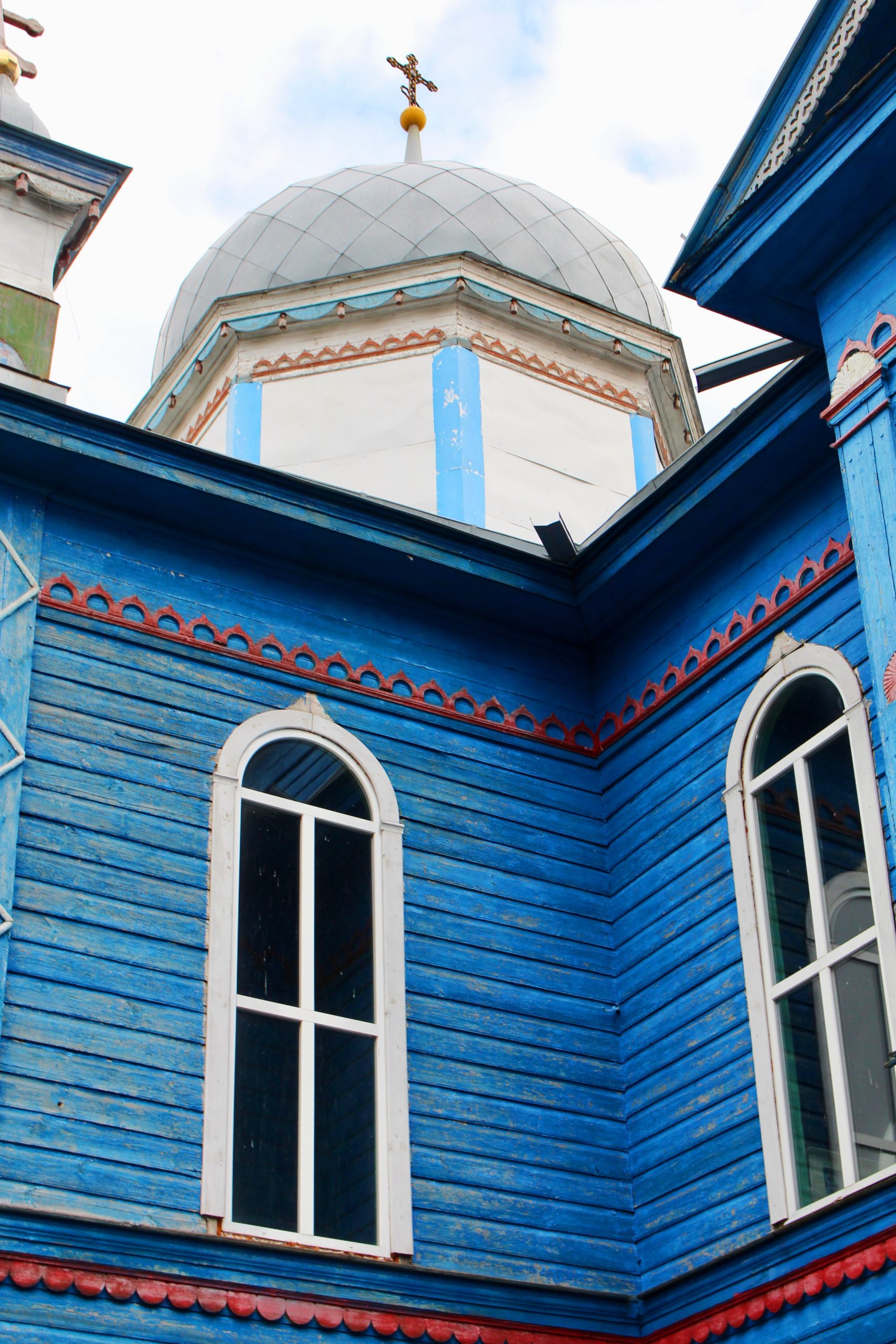
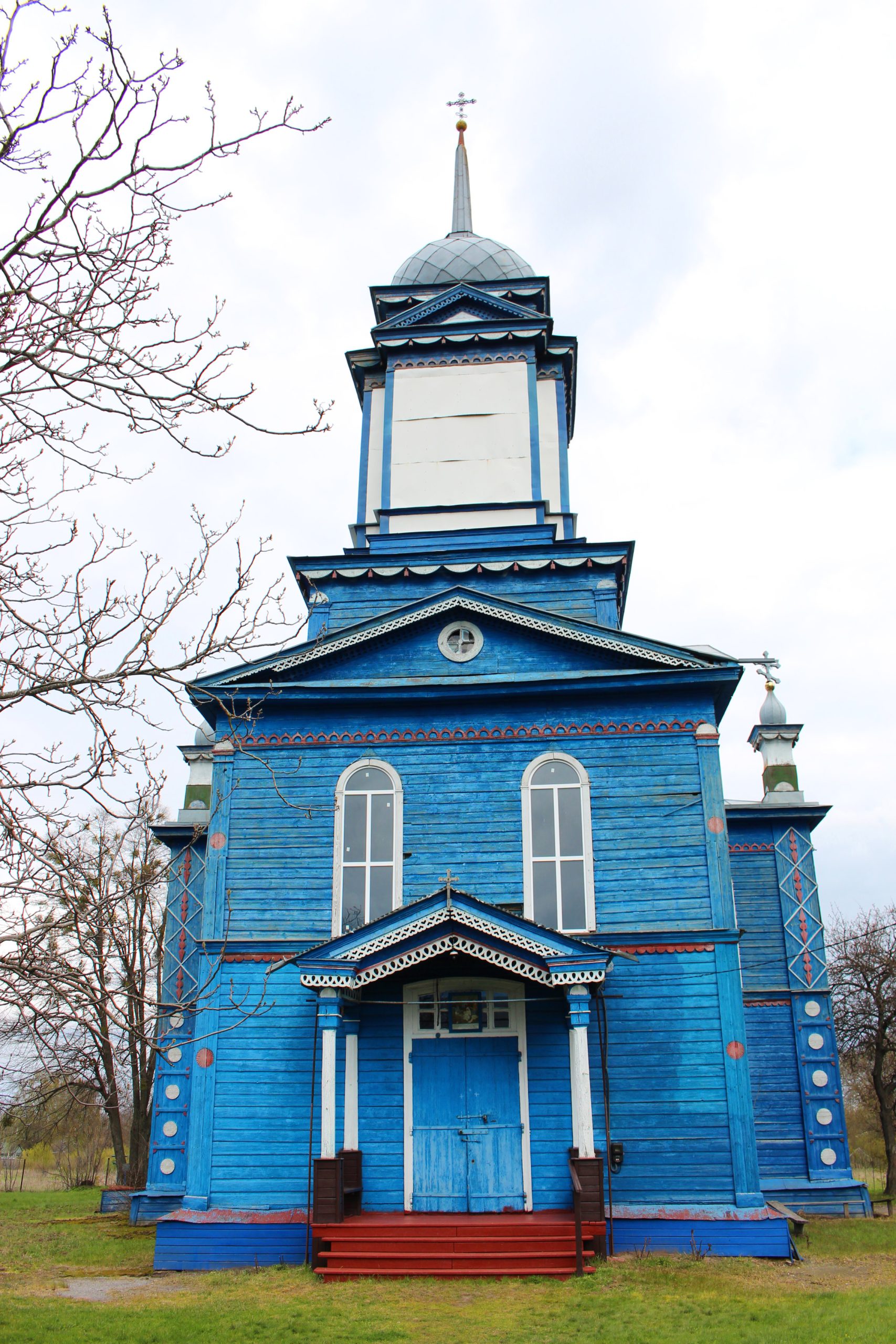
The current church is the third in this history. It was built at the end of the 19th century, preserving the tradition of wooden architecture but adding strength by placing it on a stone foundation. Since then, it has hardly changed its appearance, as if deliberately preserving the spirit of the times.
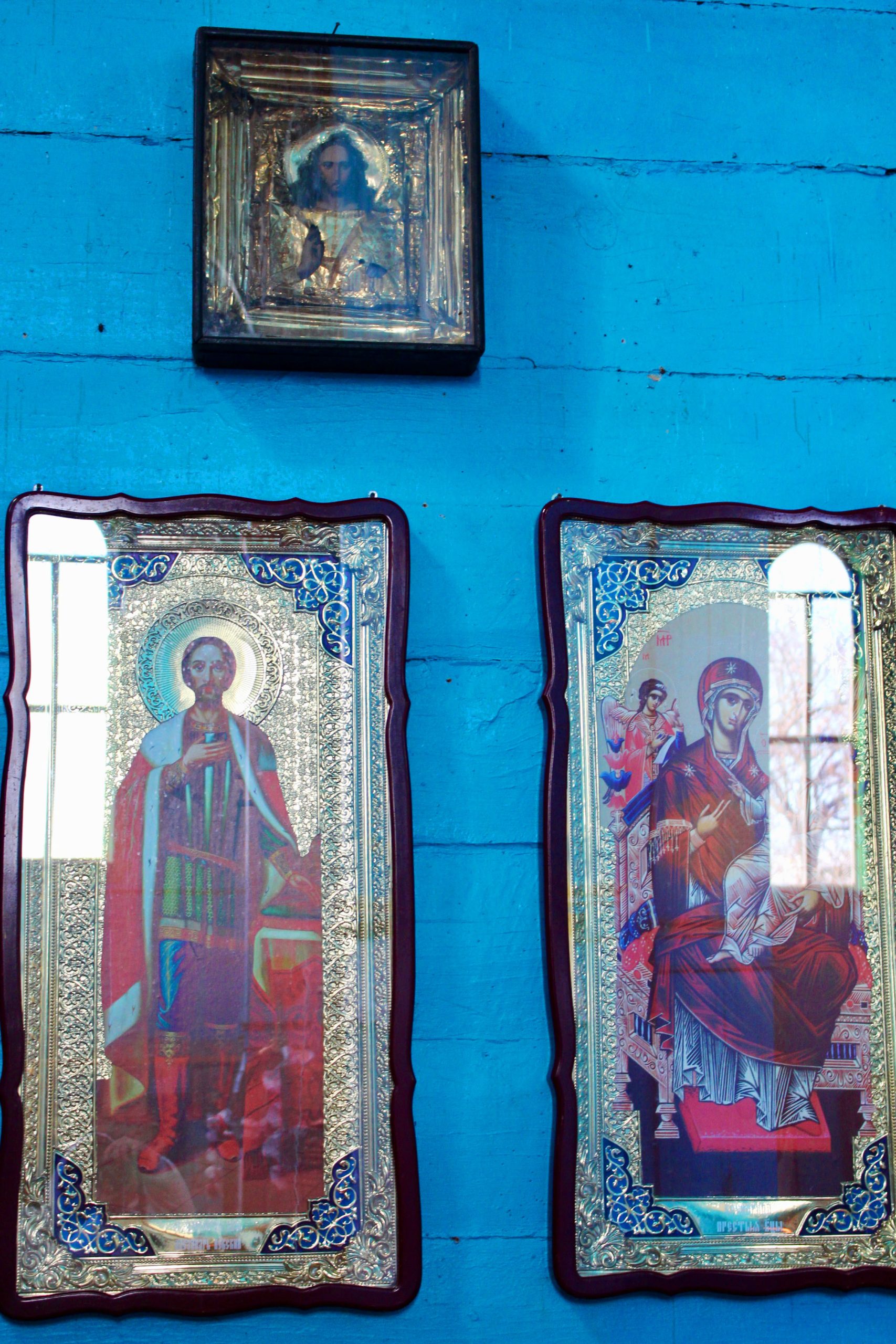
The church’s fate was not an easy one. In the 20th century, during the Soviet era, the church was destroyed: its bells were removed, the iconostasis was demolished, and the building itself was turned into a grain storage facility. Yet even in those times, it did not lose its significance for the people.
The church was given a new lease on life in 1942—on Christmas Day, prayers were once again heard here. And since then, services have never ceased. It is said that during World War II, wounded soldiers were hidden in the church’s basement—and this saved the sanctuary from further closure.
Today, the Church of the Nativity of the Virgin Mary is not only an architectural landmark but also a vibrant spiritual center. The graves of priests who served here at various times have been preserved in its courtyard, and the very atmosphere of the place is filled with tranquility.
This is a place where time seems to slow down.
Where the wooden walls remember the prayers of generations.
And where everyone can feel something more than just history—they can feel a living faith that has endured for centuries.