The Shkurpel Family Private Museum
The Shkurpel Family Private Museum
The Shkurpel Family Museum and Workshop—a living tradition of Opishnia ceramics
This is not a traditional museum with “silent” exhibits behind glass, but a truly vibrant space where ceramics are created right before your eyes. Here, authentic daily life, a workshop, and an exhibition are combined, allowing visitors to see the entire journey of clay—from the earth to art.
Pottery as a Family Business
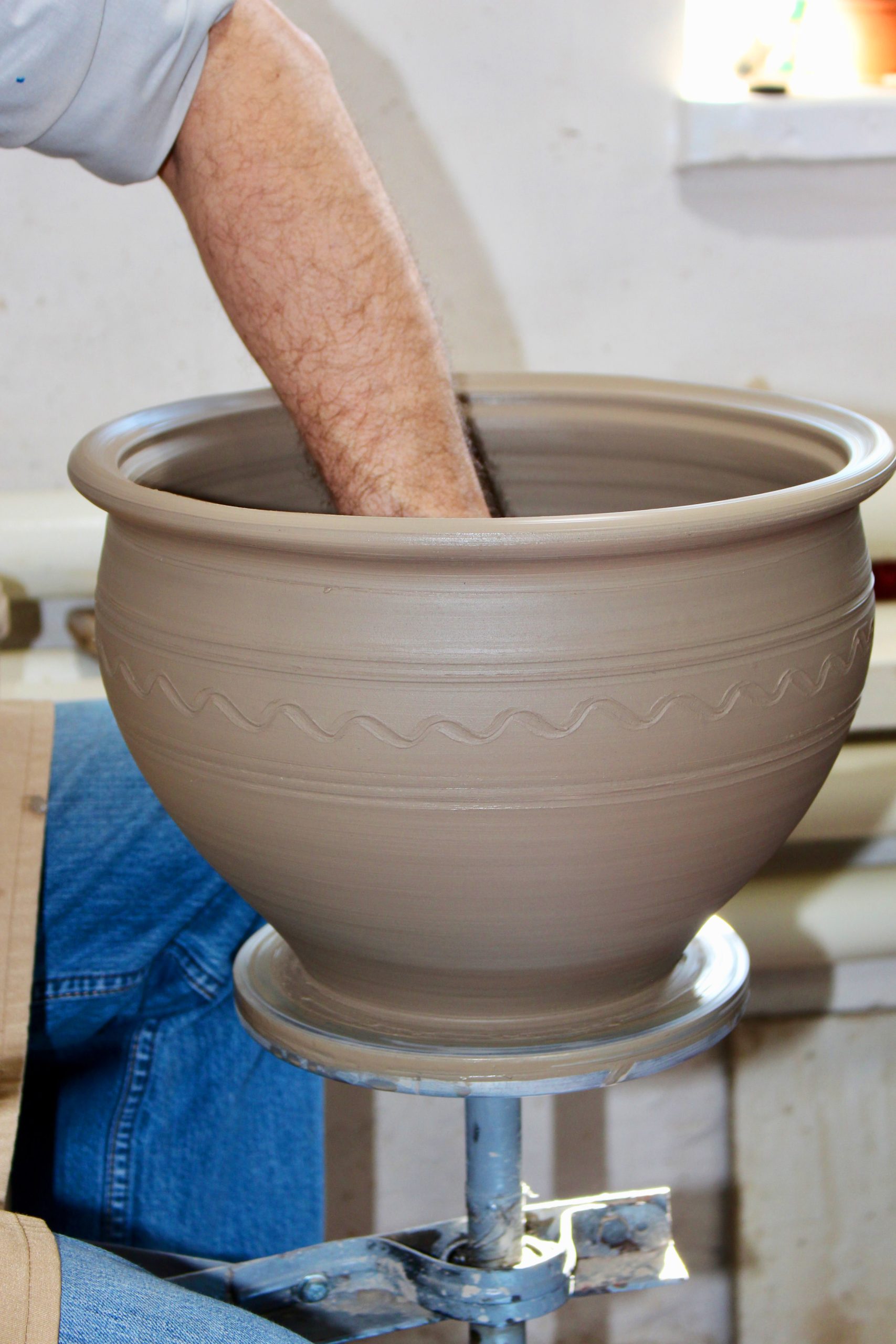
In the museum-workshop, the Shkurpel family masters—father Oleksandr and son Anatolii—carry on the tradition. They preserve and develop the traditions of Opishnia pottery, working through the entire production cycle: from extracting and preparing clay in the Opishnia area to shaping pieces on the potter’s wheel and firing them.
This is a rare example of a family workshop where knowledge is passed down from generation to generation and remains a living practice, not just a memory.
Open-Air Exhibition
The estate’s courtyard features a unique open-air exhibition. Here you can see dozens of ceramic pieces, some of which have been exposed to the elements for over 30 years. They have become a kind of “time laboratory,” demonstrating how different types of clay and glazes react to the sun, rain, and snow.
Unique Shapes and Scales
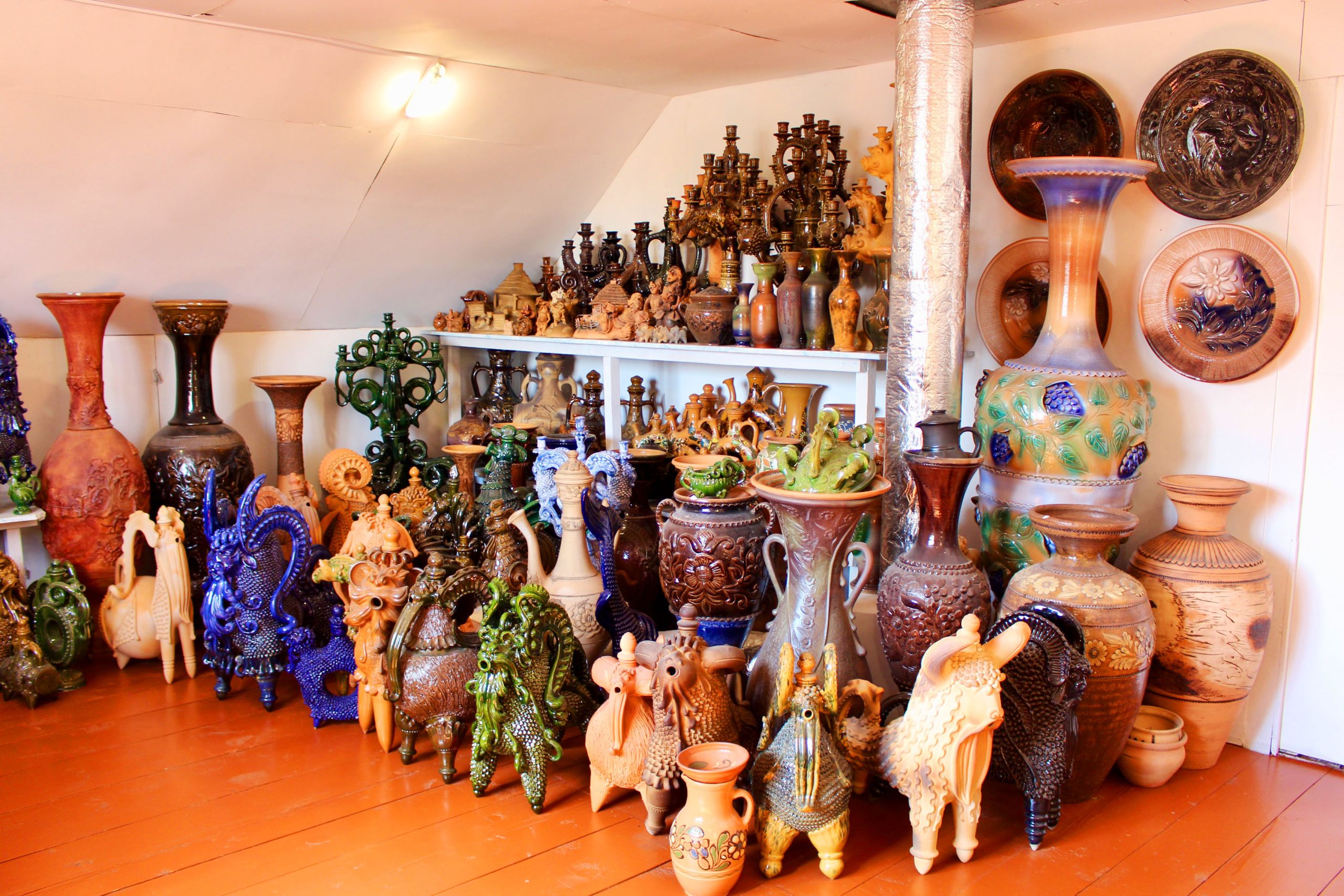
Large ceramic forms—klevri (amphoras)—hold a special place, with weights that can reach hundreds of kilograms. To create such pieces, the master uses up to a ton of raw clay, making each object a true technical and artistic achievement.
Museum Room
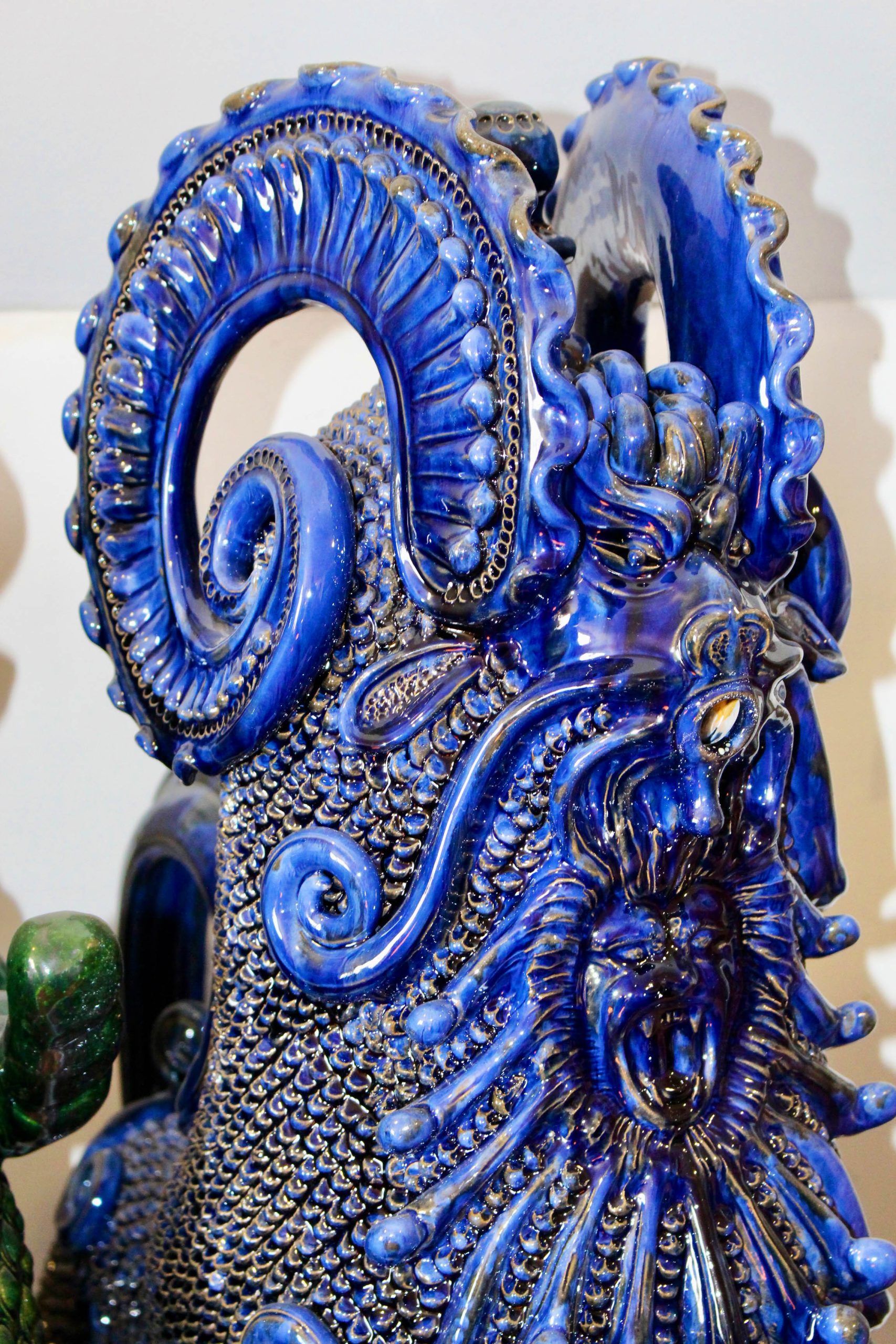
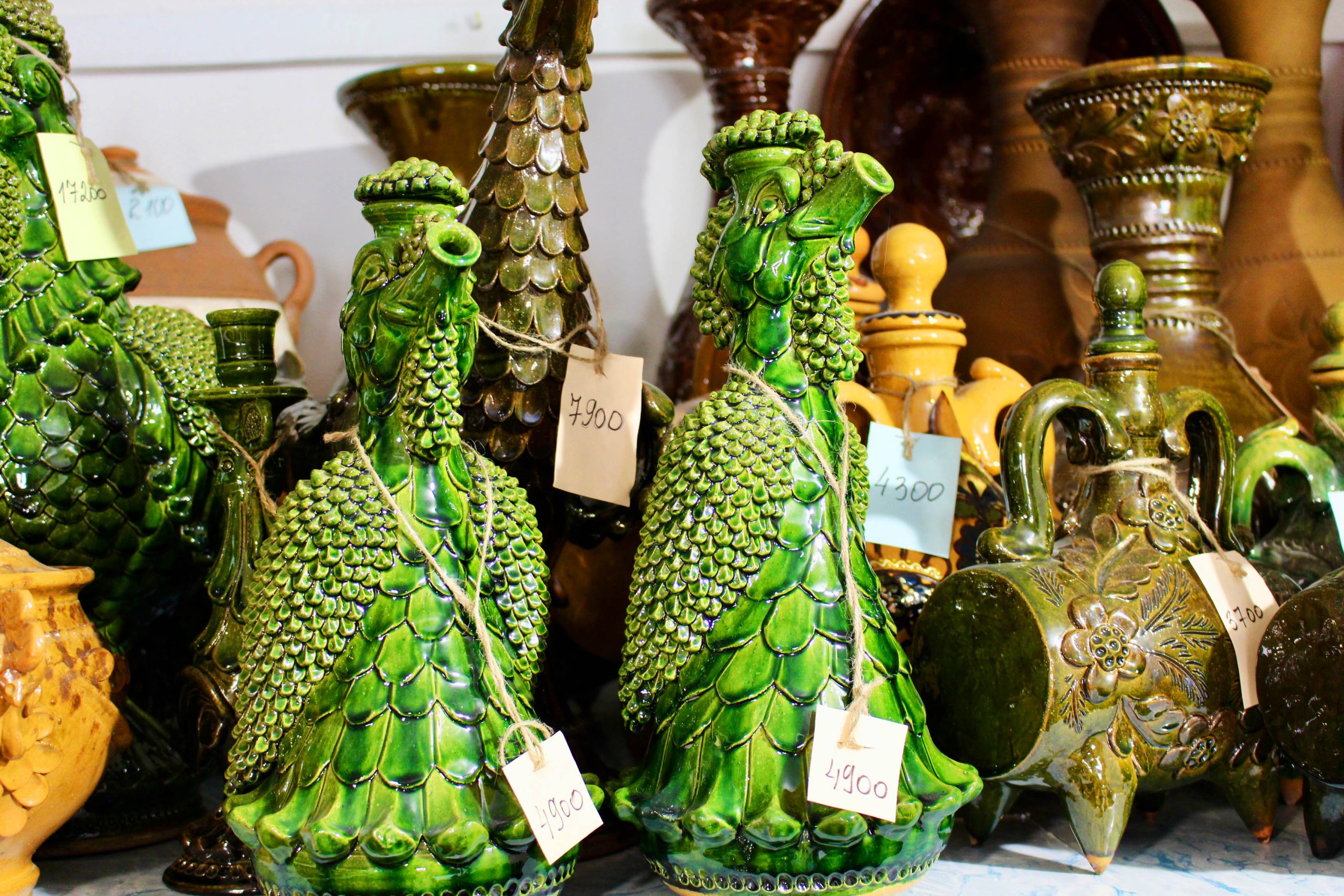
An exhibition hall has been set up in the family home, showcasing the family’s finest works collected over many years. On display here are both traditional tableware and decorative sculptures, illustrating the evolution of their style and craftsmanship.
The Shkurpels’ works are held in private collections in more than 15 countries around the world, confirming the international recognition of the Opishnia school of pottery.
The Shkurpel Family Museum is a place where clay is not merely preserved, but continues to live, change, and speak the language of tradition.